
The carbon credit market is changing the rules of the game: VCM is shifting from renewable energy to natural climate projects
These data were presented in an analytical report by the AIFC dedicated to the development of the Voluntary Carbon Market (VCM) and the prospects for its development in Kazakhstan.
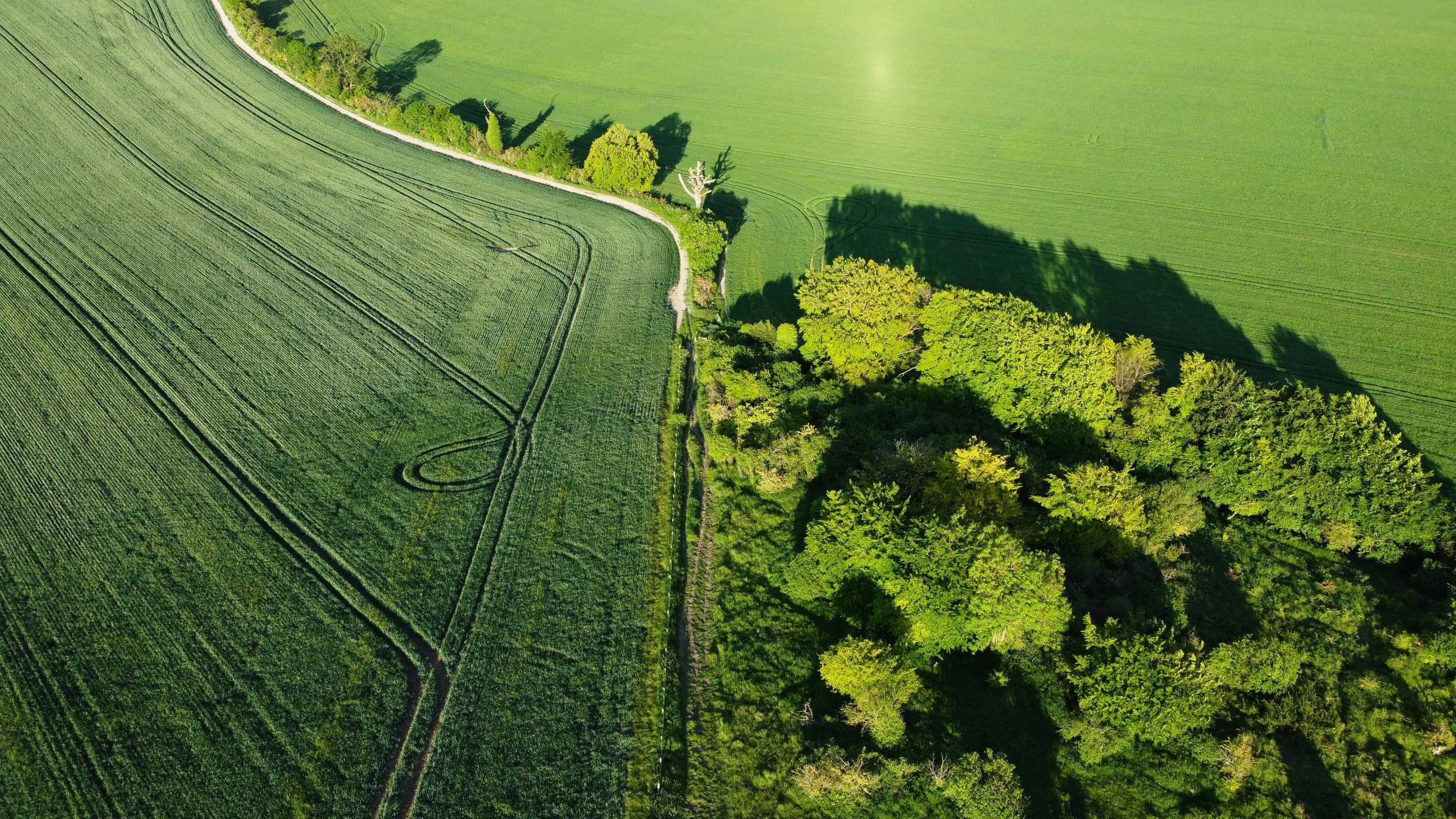
The voluntary carbon credit market has demonstrated steady growth in recent years. Between 2019 and 2022 alone, prices for most carbon credit categories increased by 30–40% annually. Over the past two years, market dynamics have stabilized, but the structure of demand has shifted: while renewable energy projects previously dominated, today nature-based solutions, such as forest conservation, land restoration, and soil improvement projects are generating increasing interest. The price of such carbon credits reaches 15–20 USD per ton of CO₂, making them attractive for project developers.
For reference: Within the VCM, carbon credits are issued, sold, and purchased on a voluntary basis. One carbon credit represents the reduction or removal of one metric ton of carbon dioxide equivalent (1 tCO₂-e) achieved through the implementation of a climate change mitigation project. Unlike regulated markets, which are formed based on national or international requirements, the VCM is decentralized and demand-driven. Its development is driven by corporate sustainability commitments, reputational priorities, and the rising expectations of stakeholders.
The aviation industry is providing additional impetus for market growth. Starting in 2027, international airlines will be required to offset their emissions under the ICAO CORSIA program. This will generate substantial additional demand for high-quality carbon credits worldwide. Currently, 129 countries have joined the program, including Kazakhstan, which has been participating since 2019. This creates opportunities for sale of domestic carbon credits to meet the obligations of Kazakhstani airlines as well as foreign carriers.
In February 2025, the Carbon Platform, the country’s first trading platform for environmental instruments, was launched at the AIFC. Kazakhstani projects can now access the global carbon credit market. This opens a new niche for the country, ranging from forest restoration projects to landfill gas utilization and sustainable agriculture.
Assel Nurakhmetova, Director of the AIFC Carbon Platform, noted:
“The launch of the AIFC Carbon Platform and the preparation of this report reflect our systematic approach to infrastructure development, raising awareness among carbon project developers and other stakeholders, and the practical application of best global practices. This initiative creates conditions for scaling Kazakhstani businesses involved in climate projects, attracting international financing, and achieving carbon-neutrality goals.”
The report explains how the global carbon credit market operates and what opportunities it creates for Kazakhstan. It provides an overview of key international institutions responsible for trust and transparency in the market, compares the most in-demand carbon project certification standards, and explains why some credits are priced higher than others. A separate section covers the practical steps for launching projects in Kazakhstan, from concept development to trading on the new AIFC Carbon Platform.
Kazakhstan has all the opportunities to become a new hub for climate projects: vast natural territories and the capacity to implement both nature-based and technology-based projects. As the data on registered projects shows, international players are already expressing interest in developing carbon projects in Kazakhstan, and the market is ready for rapid growth and investment inflow.
The report is intended for state authorities, financial institutions, market participants, carbon project developers, and investors interested in climate initiatives and sustainable financial instruments in Kazakhstan.
The full version of the report is available via provided link.
Our previous report, “Emissions Trading Systems and the Voluntary Carbon Market: Global Overview and Prospects for Kazakhstan” is available at the following link.
Reference:
The Astana International Financial Centre (AIFC) is a leading financial hub in the Eastern Europe and Central Asia region, designed to connect global capital with the vast opportunities of emerging markets. Positioned at the crossroads of Europe and Asia, the AIFC combines international best practices with innovative approaches to create a world-class platform for investment, business, and financial services. Since its establishment in 2018, the AIFC has attracted over USD 19 bln in investments into Kazakhstan’s economy. Over 4800 companies from over 90 countries, including the USA, the UK, China, Turkiye, UAE, the Republic of Korea, Singapore, and others, are registered within the AIFC’s jurisdiction. www.aifc.kz
AIFC Press Office
Ainur Issabayeva, press secretary
E-mail: [email protected]