AIFC Becomes a Founding Member of the Global Carbon Market Network
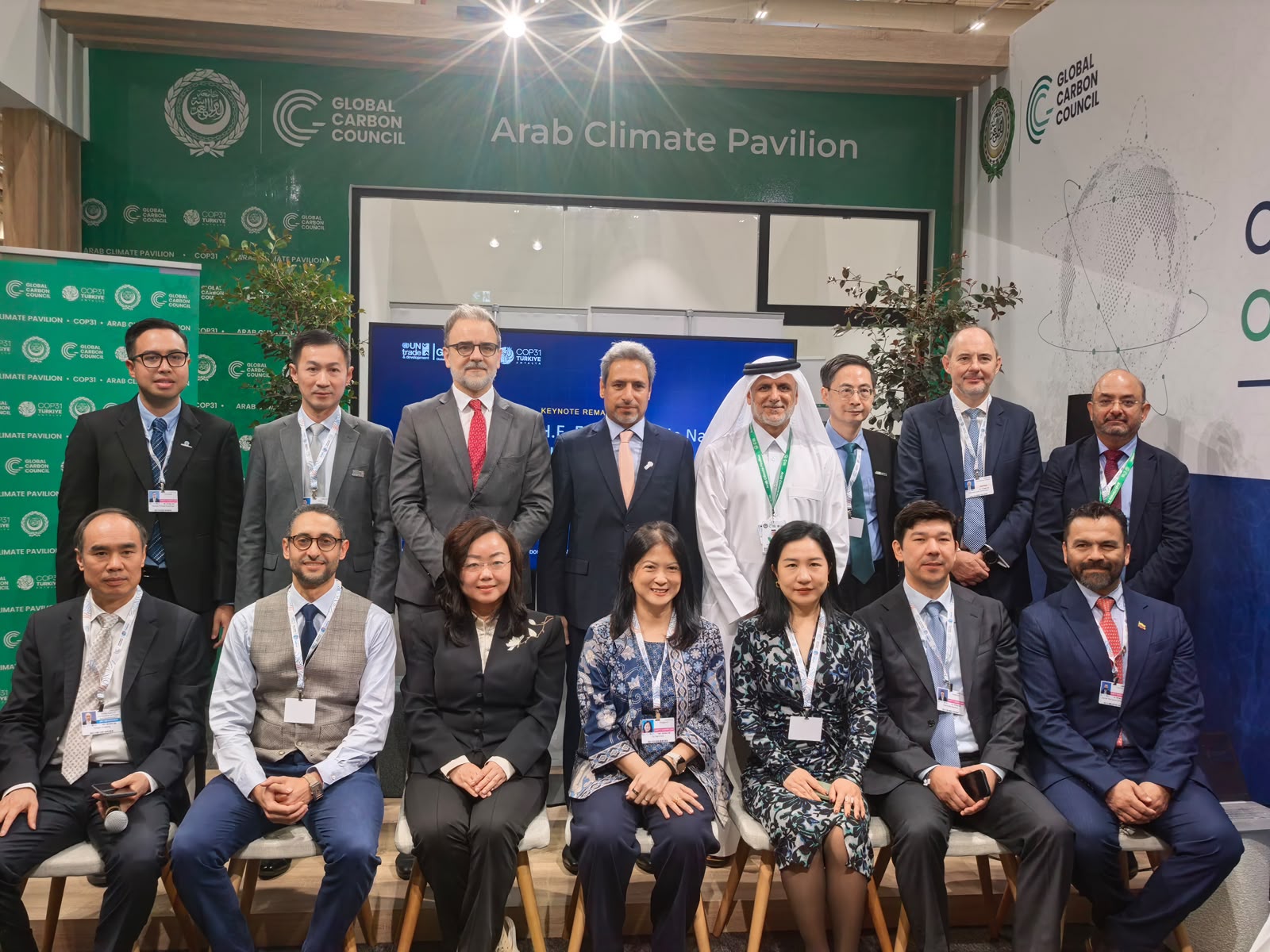
The AIFC has become one of the founding members of the Global Carbon Market Network, a new international network established with the support of the United Nations Conference on Trade and Development (UNCTAD). The announcement was made at COP31, currently taking place in Türkiye. The initiative aims to strengthen links between carbon and financial markets, enhance transparency and trust, and facilitate cross-border transactions.
Alongside the AIFC, the initial participants in the Global Carbon Market Network include organisations from Asia, Africa, the Middle East, Europe and Latin America, including Climate Impact X, Johannesburg Stock Exchange, Indonesia Stock Exchange, Global Carbon Council, Verra and Voluntary Carbon Market Company.
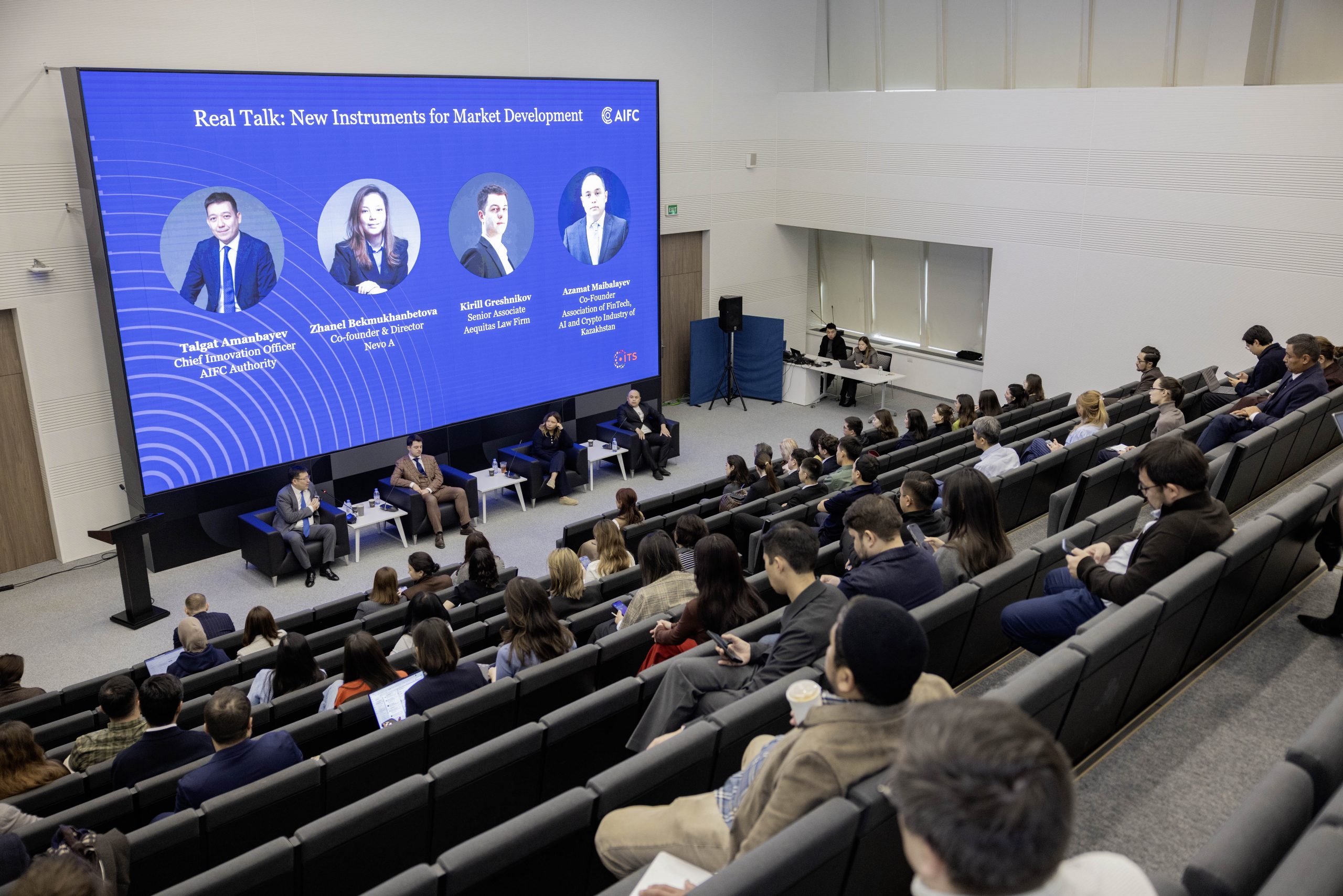
As part of the 31st Conference of the Parties to the United Nations Framework Convention on Climate Change (COP31) in Türkiye, the AIFC also organised an expert discussion titled “Voluntary Carbon Market: Infrastructure, Standards and Financing.” The session brought together representatives of international organisations, carbon market infrastructure providers, financial institutions and the private sector. Participants discussed practical mechanisms for advancing climate finance and the voluntary carbon market in Central Asia.
The discussion was moderated by Zhanbolat Kakishev, Chief Product Officer of the AIFC Authority. The panel featured Cassio Souza, Director of Markets and Client Relations at Verra; Yunus Sonmez, CEO of FOTON, a trading platform for International Renewable Energy Certificates (I-REC); Dina Zhanadil, Managing Director of the Development Bank of Kazakhstan; Kishor Rajhansa, Deputy Director General for Partnerships, Global Carbon Council (GCC); and Ainur Tulegenova, Executive Director of the ESG Department at Freedom Holding Corp.
“For the voluntary carbon market to become a fully fledged source of financing for climate projects, generating carbon credits alone is not enough. What is needed is an integrated ecosystem comprising high-quality projects, internationally recognised standards, transparent infrastructure, access to capital and sustainable buyer demand. For Central Asia, it is particularly important to connect climate projects with financial markets and establish clear mechanisms for investors. The Ministry of Ecology and Natural Resources is initiating work to develop a pipeline of climate investment projects, and the AIFC is ready to support this process by providing financial infrastructure, international expertise and opportunities for projects to engage with investors and market participants,” said Zhanbolat Kakishev, Chief Product Officer of the AIFC Authority.
Participants reviewed available sources of financing for climate initiatives, including green and sustainable finance instruments, ESG financing, development bank financing, voluntary carbon market (VCM) mechanisms, as well as International Renewable Energy Certificates (I-REC).
Particular attention was given to the requirements of investors and financial institutions for climate projects. Experts discussed how to prepare projects for capital raising, structure transactions and build a high-quality pipeline of initiatives capable of attracting both international and regional investors.
Another focus of the discussion was the development of demand for carbon credits and I-REC certificates in Central Asia. Participants considered the development of infrastructure for their circulation and trading, as well as the potential of exchange-based mechanisms to improve the transparency, accessibility and liquidity of climate-related instruments.
Experts emphasised that the further development of carbon markets requires close interaction among all key elements of the ecosystem: international standards and registries, financial institutions, investors, businesses and public authorities. Such an approach can not only strengthen confidence in carbon instruments, but also expand opportunities for financing climate projects across the region.
As part of the next steps, participants identified several priority areas: strengthening expertise in the preparation and structuring of climate investments, developing a pipeline of high-quality investment-ready projects, expanding partnerships among businesses, public authorities, investors and international organisations, stimulating demand for carbon credits and I-REC certificates, and advancing market and exchange infrastructure in Central Asia.
The discussion confirmed that an effective voluntary carbon market requires an integrated approach in which international standards, transparent market infrastructure, access to financing and sustainable demand are interconnected prerequisites for attracting investment and implementing climate initiatives.
The AIFC will continue to support the development of sustainable finance, strengthen international cooperation and foster an enabling ecosystem for climate projects in Kazakhstan and across Central Asia.
Reference:
The Astana International Financial Centre (AIFC) is an independent jurisdiction where investors and business meet emerging opportunities of Kazakhstan and Central Asia in a transparent and sustainable environment backed by the principles of English Common Law. www.aifc.kz
COP31 is the 31st Conference of the Parties to the United Nations Framework Convention on Climate Change (UNFCCC), taking place in Antalya, Türkiye. The conference brings together representatives of governments, international organisations, businesses and the expert community to discuss global measures to address climate change and mechanisms for climate finance.
AIFC Press Office,
Ainur Issabayeva, press secretary
E-mail: [email protected]