Islamic Finance in the AIFC

Why the AIFC?

The trusted gateway for Islamic finance in Central Asia

  1. Dedicated regulation and authorisation framework for Islamic financial activities
  2. An independent legal environment based on the principles of English Common Law
  3. Access to AIX infrastructure for sukuk and Islamic investment products
  4. Expert support on authorisation, structuring and Shari’ah governance
  5. Access to the growing markets of Kazakhstan and Central Asia

In numbers

Key Figures

Demand for Islamic retail financing
$ 9.7 bn
Demand for Islamic deposits
$ 6.3 bn
Corporate Islamic finance demand annually
$ 1.7 bn
Sukuk issued on AIX
$ 47.25 million
Active AFSA-authorised firms
9

Licensing

Islamic Finance Activities in the AIFC

Islamic Banking Business

Islamic Banking Business means providing financing or making Investments by entering as principal or agent into any Islamic Financial Contract while raising funds for those activities through either or both of the following:
(a) raising, accepting and managing funds or money placements;
(b) managing Unrestricted Profit Sharing Investment Accounts (UPSIA);
provided that all such activities are carried out in a Shari’ah-compliant manner.
AIFC General Rules, Schedule 1

For information on the applicable fees, please refer to the AFSA Fees Rules available on the official website of the regulator. This document contains a comprehensive list of all relevant charges, including authorisation fees, annual supervisory fees, registration-related costs, penalties, and other mandatory payments.


More information and templates are available on AFSA’s website (opens in a new tab)

Providing Islamic Financing

Providing Islamic Financing means providing financing in a Shari’ah-compliant manner by entering into any Islamic Financial Contract.
AIFC General Rules, Schedule 1

For information on the applicable fees, please refer to the AFSA Fees Rules available on the official website of the regulator. This document contains a comprehensive list of all relevant charges, including authorisation fees, annual supervisory fees, registration-related costs, penalties, and other mandatory payments.

More information and templates are available on AFSA’s website (opens in a new tab)

Takaful Business

Takaful Business means the business of conducting either or both of the following activities:
(a) effecting Takaful Contracts as Principal;
(b) carrying on Takaful Contracts as Principal.
AIFC General Rules, Schedule 1

For information on the applicable fees, please refer to the AFSA Fees Rules available on the official website of the regulator. This document contains a comprehensive list of all relevant charges, including authorisation fees, annual supervisory fees, registration-related costs, penalties, and other mandatory payments.

More information and templates are available on AFSA’s website (opens in a new tab)

Managing a Restricted Profit Sharing Investment Account

Managing a Restricted Profit Sharing Investment Account means managing an account or portfolio which is a Restricted Profit Sharing Investment Account (RPSIA).
AIFC General Rules, Schedule 1

For information on the applicable fees, please refer to the AFSA Fees Rules available on the official website of the regulator. This document contains a comprehensive list of all relevant charges, including authorisation fees, annual supervisory fees, registration-related costs, penalties, and other mandatory payments.

More information and templates are available on AFSA’s website (opens in a new tab)

Shari’ah Compliance Consultancy

Shari’ah compliance consultancy provides businesses with advice on aligning their policies, processes and activities with Shari’ah requirements. In the AIFC, this falls within Providing Consulting Services, an Ancillary Service for which the provider must obtain the appropriate AFSA licence.

For applicable fees, please refer to the AIFC Fees Rules. Information on the application and required documents is available on AFSA’s website. Licensed providers can be checked in the AFSA Public Register.

Islamic Windows

An Islamic Window is the part of an Authorised Firm’s business through which it conducts Islamic Financial Business in a Shari’ah-compliant manner. A firm proposing to operate an Islamic Window must obtain the appropriate authorisation from AFSA and identify which parts of its business will operate in accordance with Shari’ah.

AIFC Islamic Finance Rules, rules 1.8 and 6.1–6.2.

For applicable fees, please refer to the AIFC Fees Rules. The licence variation form and Supplement Islamic Business are available on AFSA’s website. A firm’s permission to operate an Islamic Window should be checked in its licence entry in the AFSA Public Register.

Process

How to Apply

The steps below outline the authorisation process for establishing an Islamic financial business in the AIFC; specific requirements depend on the proposed activities and business model.

  1. Step 1. Discuss your proposal

    Contact the AIFC Islamic Finance Team to discuss your business model and identify the activities and permissions your business will need.

  2. Step 2. Prepare a draft application

    Share your proposed business model, process flows and draft Regulatory Business Plan with AFSA for initial feedback.

  3. Step 3. Submit the formal application

    Provide the relevant forms, including the Supplement Islamic Business where applicable, supporting documents and required fees.

  4. Step 4. Complete the AFSA assessment

    Respond to AFSA’s questions and provide any additional information or attend interviews it requests.

  5. Step 5. Fulfil the in-principle conditions

    If AFSA issues In-Principle Approval, complete the specified requirements, including company registration and regulatory capital where applicable.

  6. Step 6. Obtain your licence

    Once the conditions are met, AFSA may issue a licence specifying the activities your firm is authorised to conduct.

Ecosystem

Islamic Finance Ecosystem

IFAB

Islamic Finance Advisory Board (IFAB)

The Islamic Finance Advisory Board (IFAB) is a high-level expert platform established to support the strategic development of Islamic finance within the AIFC and across Central Asia. The Board brings together respected global practitioners and scholars to provide independent guidance, international benchmarking, and forward-looking recommendations on key areas of industry development.

IFAB is a strategic advisory body and does not replace AFSA’s regulatory functions or the Shari’ah Supervisory Boards of individual institutions.

Core Functions

Advising on the development of Islamic finance strategies and policies within the AIFC, including guidance on priority areas such as Islamic banking, capital markets, takaful, Islamic fintech, and sustainable (ESG) finance.

Reviewing and providing expert feedback on draft laws, regulations, and policy amendments related to Islamic financial activities in the AIFC, including the enhancement of the AIFC Shariah Governance Policy.

Facilitating cooperation with leading Islamic financial institutions, investors, and global standard-setting bodies, including AAOIFI, IFSB, and the Islamic Development Bank (IsDB), to ensure alignment with recognised international best practices.

Supporting the development of a competitive and innovative Islamic finance ecosystem by promoting digital transformation, fostering Islamic fintech initiatives, and encouraging the introduction of new Shariah-compliant financial products.

Members

IFAB Members

  • Chairperson

    Acting Director General, Islamic Development Bank Institute

  • Deputy Chairperson

    Founder & Chief Executive Officer, Sabiq Advisory

  • President and Chief Executive, Lemrair Consultancy Company W.L.L.

  • Professor in Shariah, Institute of Islamic Banking and Finance (IIiBF), IIUM

  • CEO, Saudi Venture Capital Investment Company; Chief Advisor Digital Assets & Islamic Finance, ComTech GmbH (Switzerland)

  • Deputy Secretary General, Participation Banks Association of Türkiye

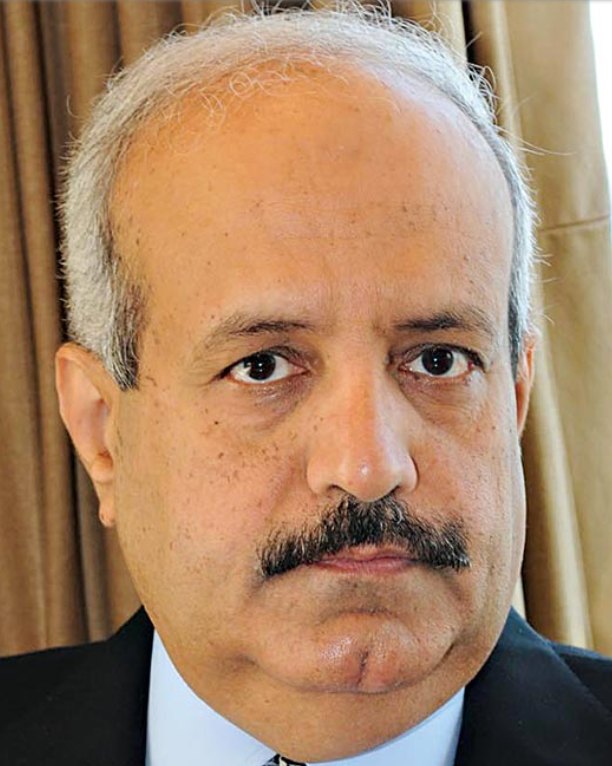
  • Head of Islamic Finance, AIFC Authority; Chief Executive Officer, Association of Islamic Finance and Business

Video

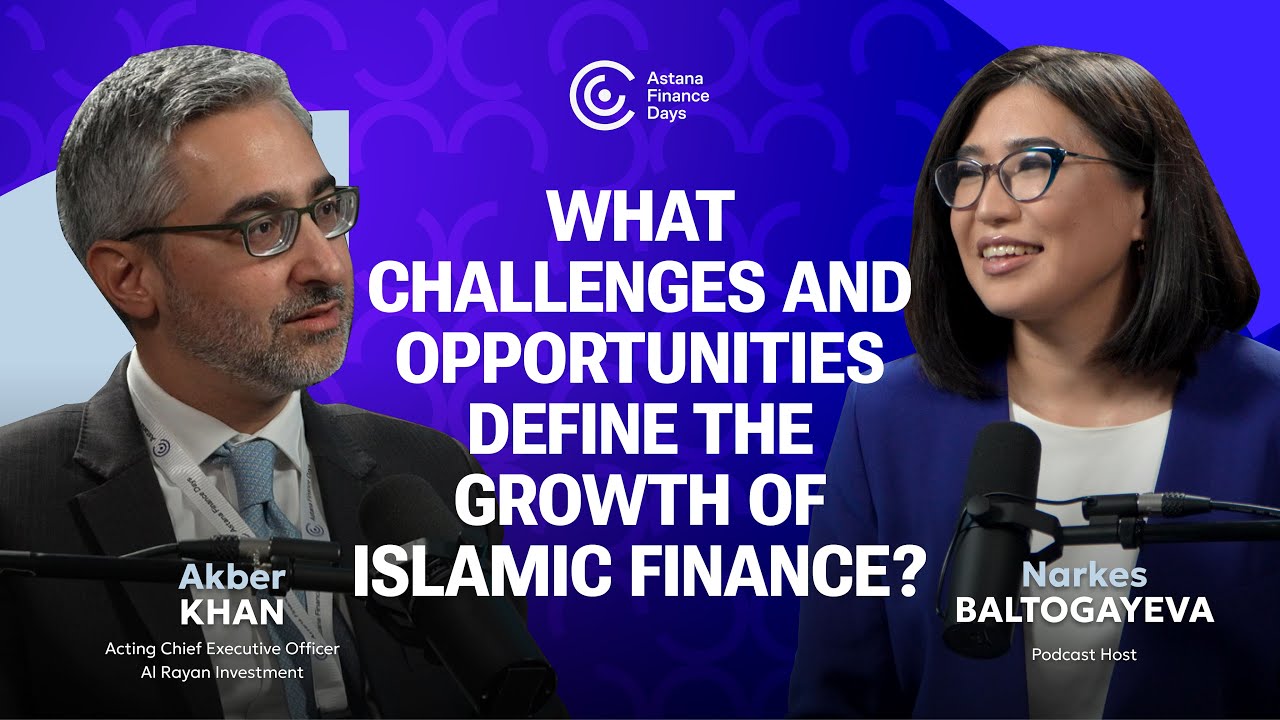
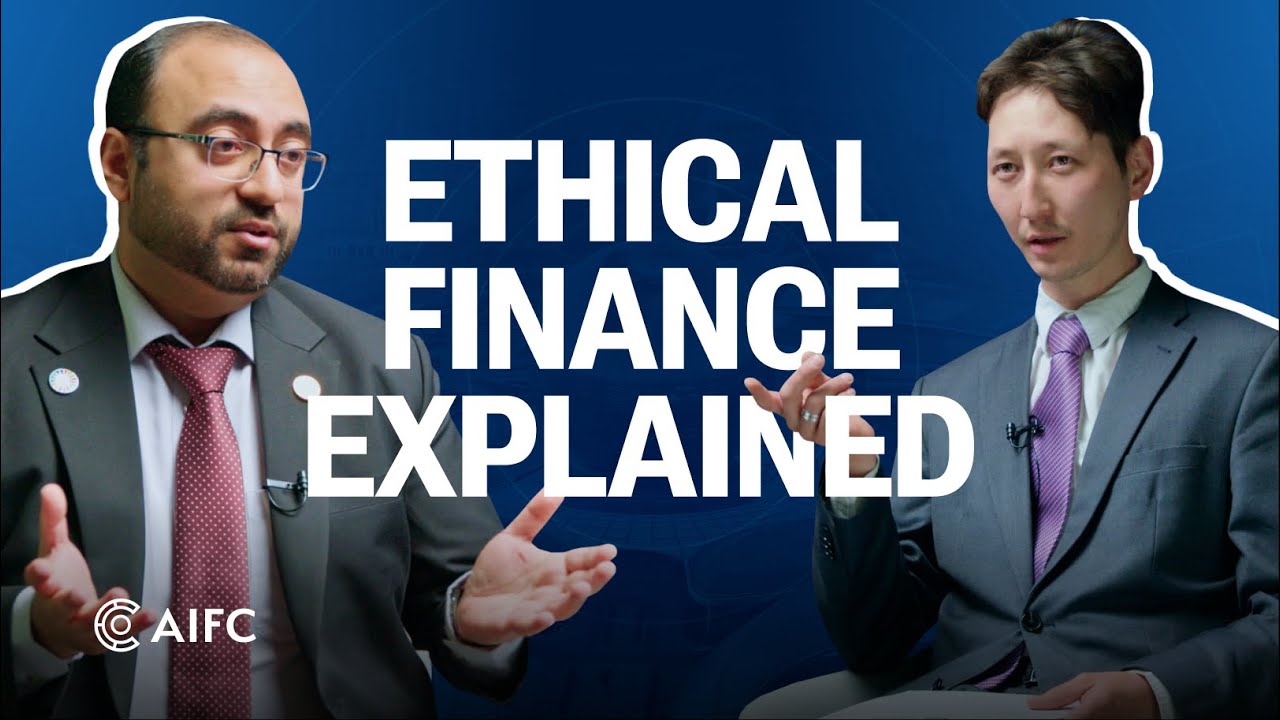
AIFC Studio: interviews with experts

FAQ

Frequently Asked Questions

Islamic finance refers to financial products and services structured in accordance with Shariah principles. It prohibits interest, excessive uncertainty, gambling and the financing of activities considered impermissible under Shariah. Islamic finance promotes transparency, ethical investment, responsible risk-sharing and financial transactions linked to genuine economic activity.

No. Shariah-compliant financial products and services may be offered to any eligible individual or organisation, regardless of religion, subject to the applicable product terms, eligibility criteria and regulatory requirements.

An Islamic Financial Institution is an Authorised Person whose licence or authorisation includes a condition requiring its entire business to be conducted in a manner fully compliant with Shariah.

An Islamic Window is the part of an Authorised Firm, other than an Islamic Financial Institution, through which it conducts part of its business in a Shariah-compliant manner.

Islamic Financial Institutions must establish an appropriate Shariah governance framework, including a competent and independent Shariah Supervisory Board. They must maintain relevant policies, systems and controls, undertake Shariah reviews, prepare the required Shariah reports and make appropriate disclosures to clients.

AFSA is responsible for regulatory authorisation and supervision, while the institution, its Governing Body and its Shariah Supervisory Board have specific responsibilities for regulatory and Shariah compliance.

The Astana Financial Services Authority (AFSA) authorises and supervises firms conducting Regulated Activities in or from the AIFC, including those conducted in a Shariah-compliant manner.

Islamic Financial Business is subject to the applicable AIFC Regulations and Rules, including the Islamic Finance Rules (IFR), the General Rules (GEN) and the relevant prudential, conduct of business and activity-specific requirements.

Subject to AFSA authorisation, firms may conduct Regulated Activities in a Shariah-compliant manner. These include Islamic Banking Business, Providing Islamic Financing and Managing a Restricted Profit Sharing Investment Account.

The AIFC framework also provides specific requirements for Islamic Investment Funds and offers of Islamic Securities, including sukuk. Takaful and Retakaful businesses are subject to the relevant insurance requirements and the applicable Takaful and Retakaful Prudential Rules.

The specific permissions, regulatory requirements and licence conditions applicable to each firm depend on its proposed activities, legal structure and business model.

The AIFC Islamic finance framework is informed by relevant standards and guidelines issued by the Islamic Financial Services Board (IFSB) and the Accounting and Auditing Organization for Islamic Financial Institutions (AAOIFI), as well as other applicable international regulatory standards.

The Islamic Finance Rules also incorporate specific AAOIFI and IFSB requirements relating to Shariah governance, reviews, reporting and disclosures.

Yes. An existing Authorised Firm may apply to AFSA for an appropriate variation of the conditions of its authorisation.

The firm must clearly identify the part or parts of its business that will be conducted in accordance with Shariah and establish and maintain appropriate policies, procedures, systems and controls to ensure Shariah compliance.

An AFSA licence is required where a firm conducts a Regulated Activity in or from the AIFC. A firm intending to conduct Islamic Financial Business must also have the appropriate condition on its licence authorising it to operate as an Islamic Financial Institution or through an Islamic Window.

Not every activity related to Islamic finance is necessarily a Regulated Activity. The applicable regulatory treatment depends on the nature and scope of the proposed activities. Applicants should confirm the relevant requirements with AFSA before commencing business.

Prospective applicants are encouraged to contact the AIFC Client Office or [email protected] to discuss their proposed business model, legal structure and intended activities.

The precise application process, required documentation, capital requirements and applicable fees depend on the proposed Regulated Activities, legal structure, business model and risk profile. Where applicable, applicants must submit the relevant AFSA application forms, the Supplement Islamic Business and the required supporting documents.

Contact information

  • Islamic finance business development and ecosystem partnerships – AIFCA