

01 — General Information
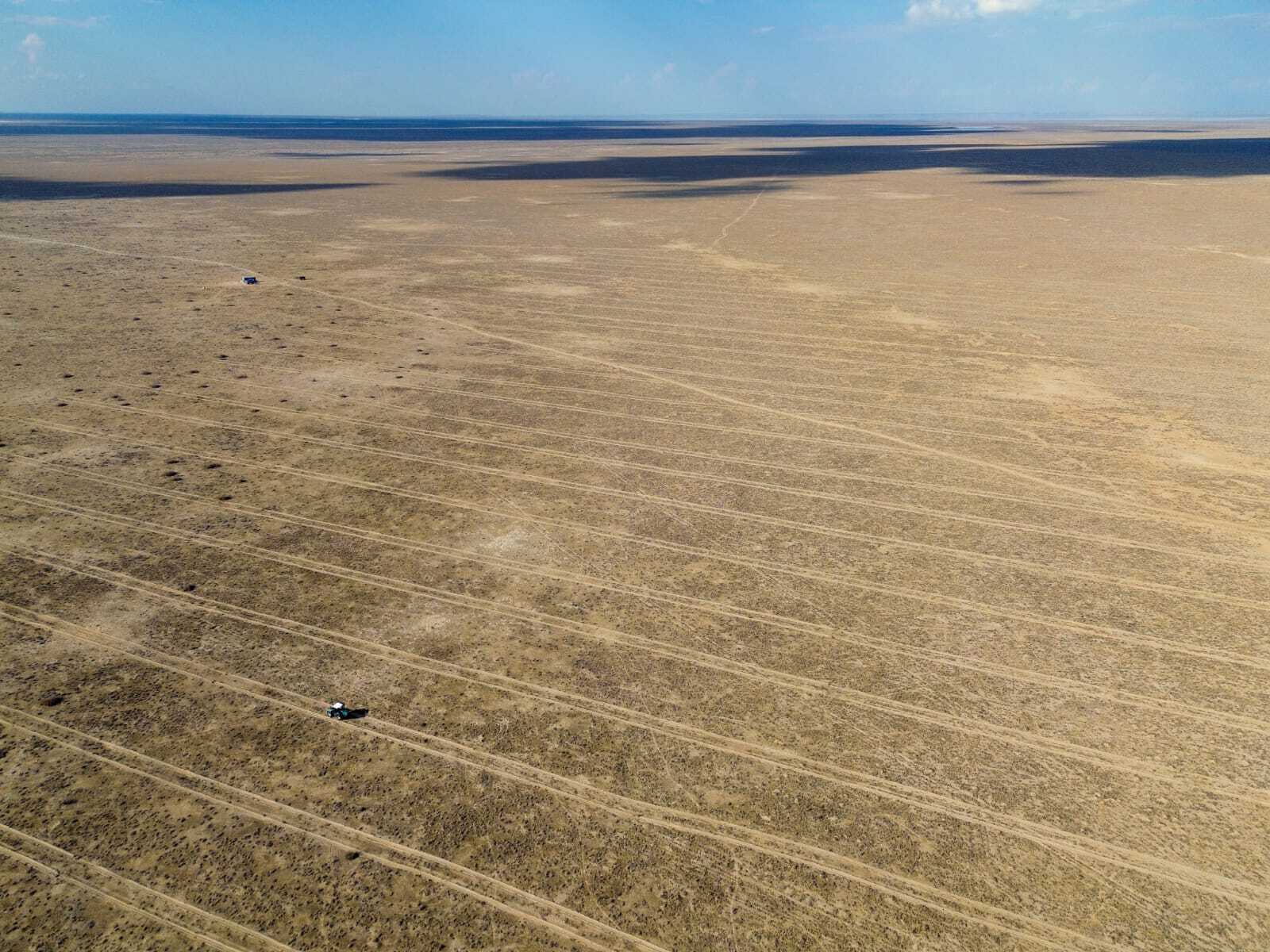
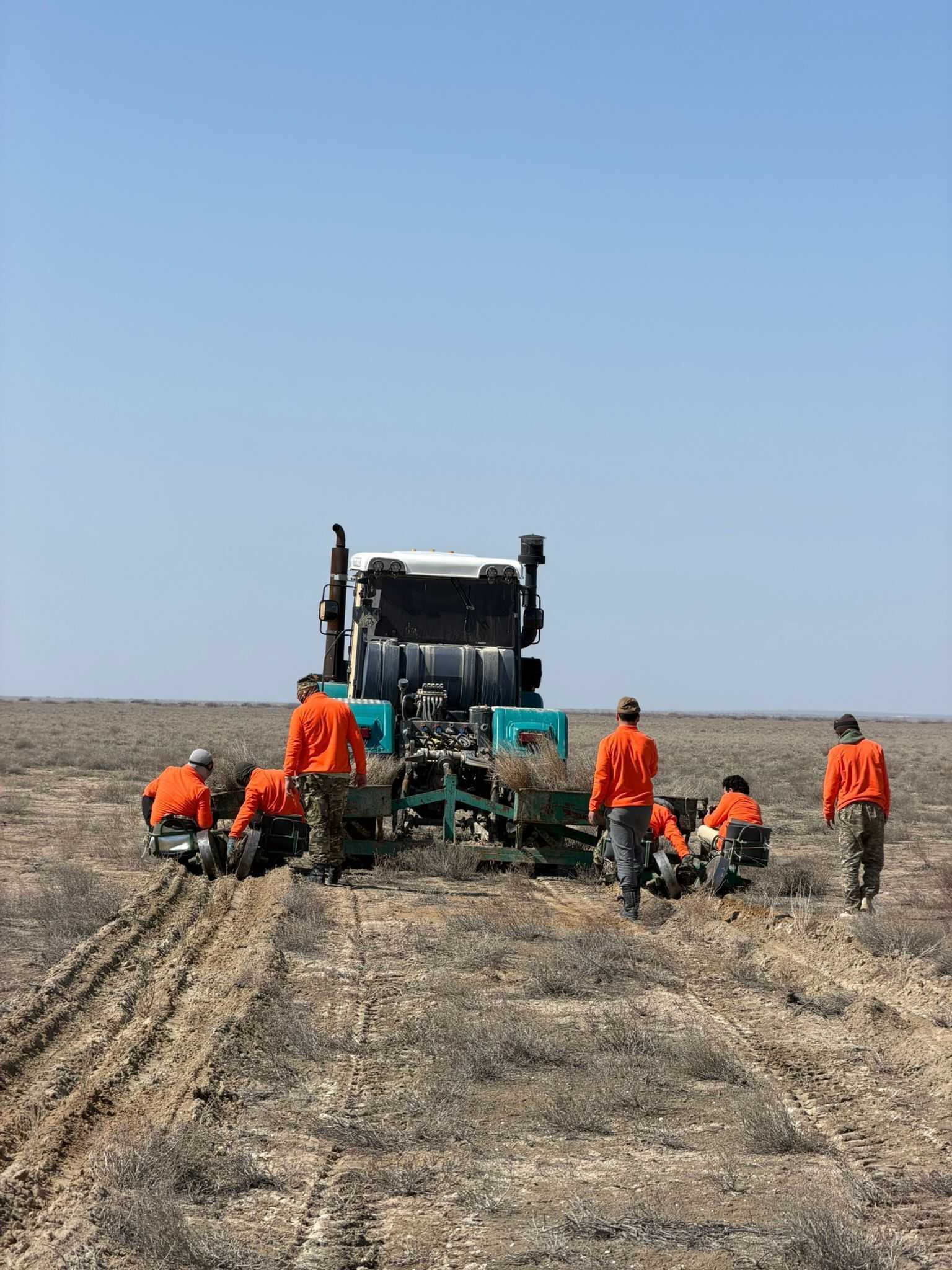
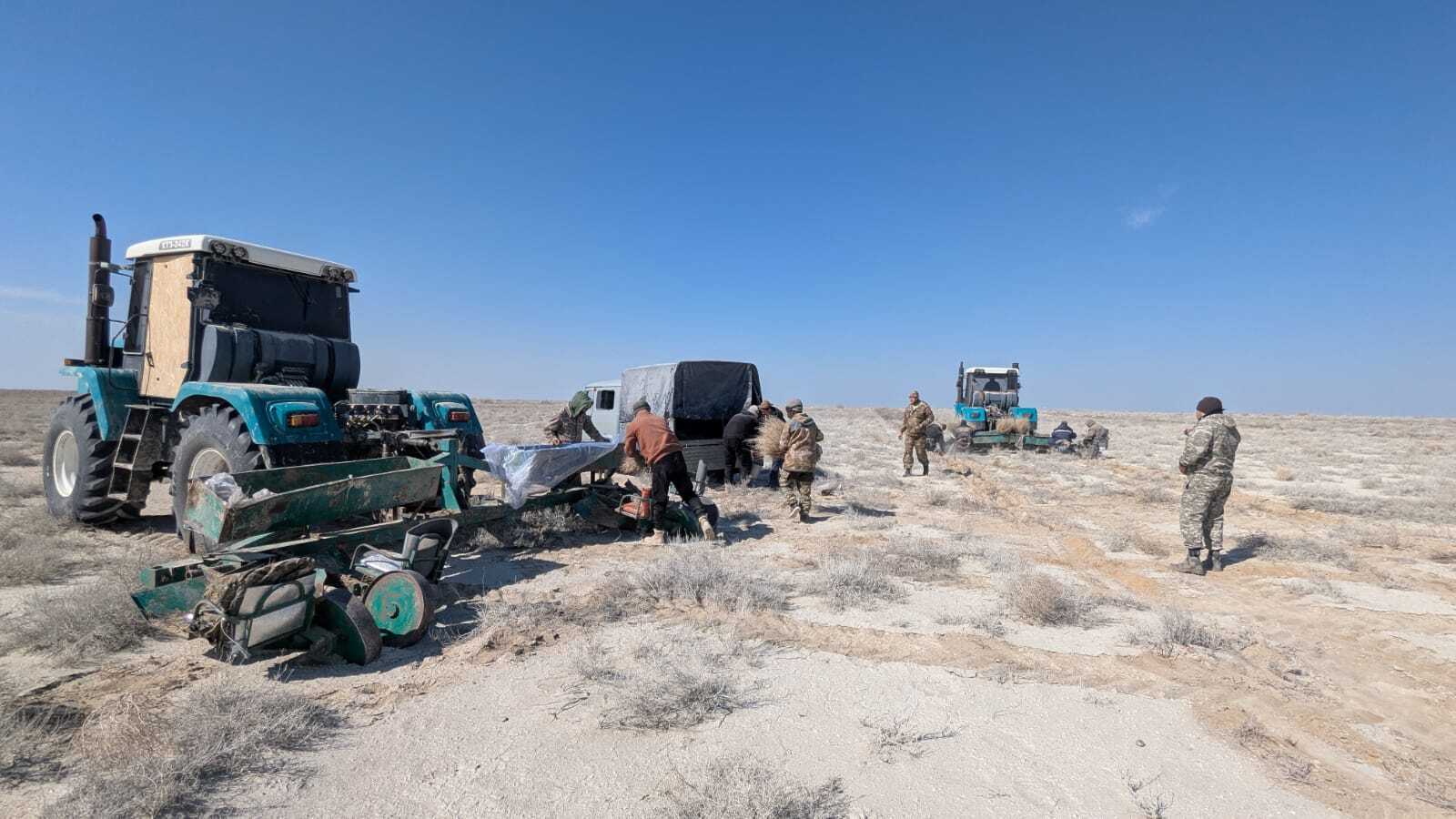
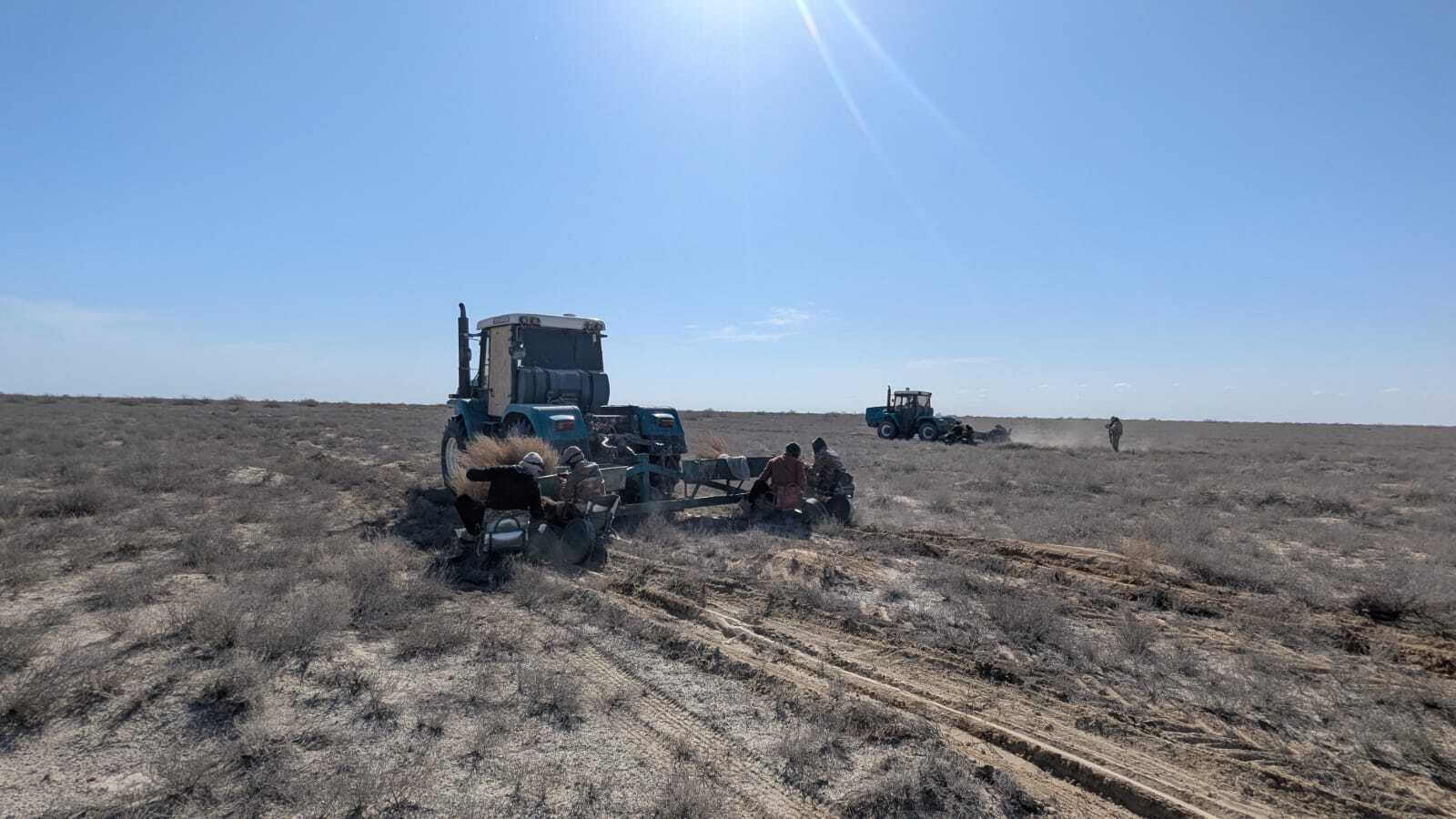
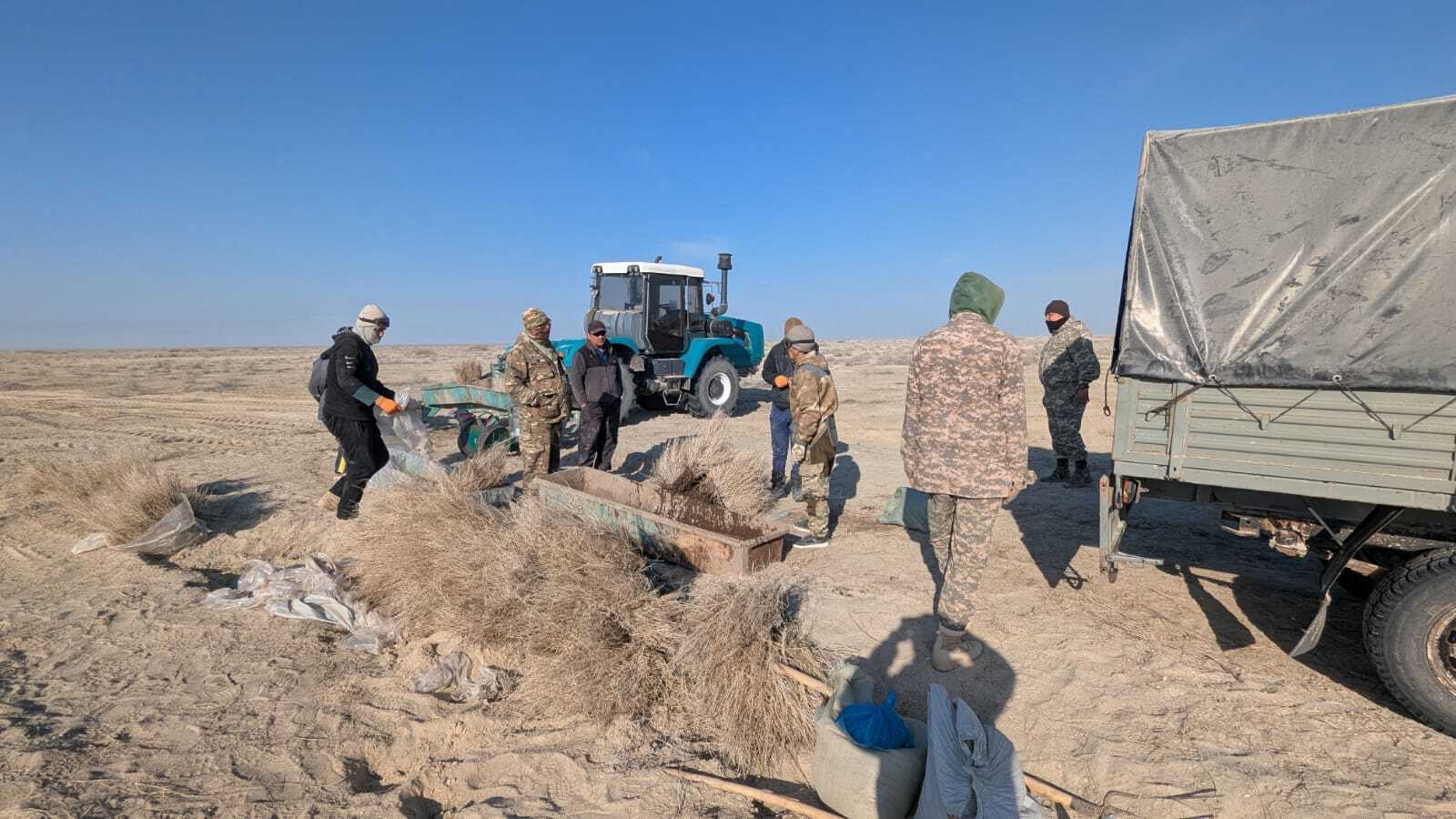
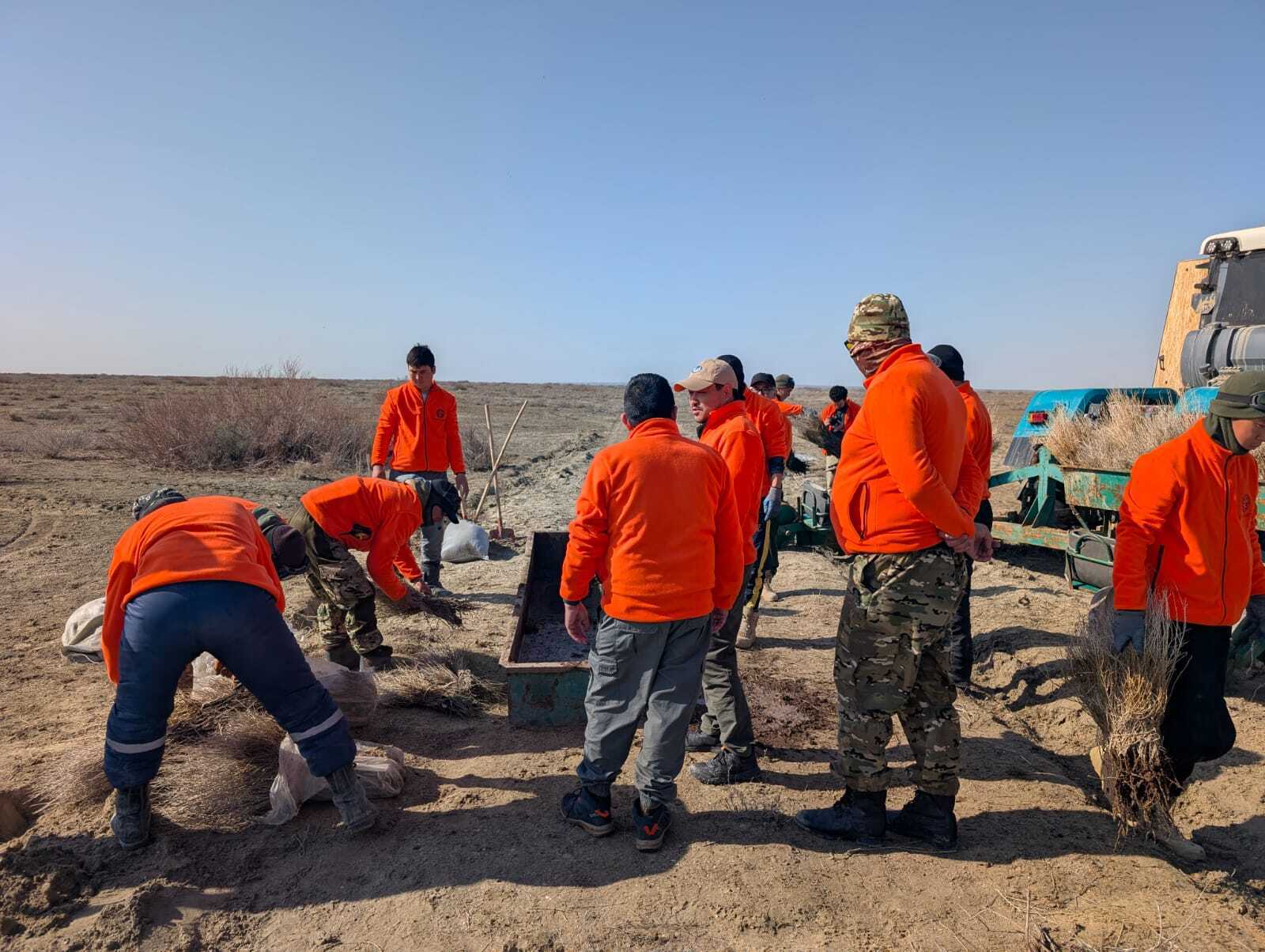
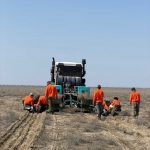
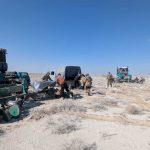
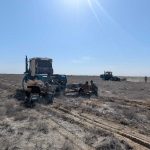
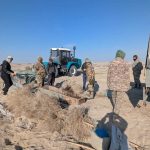
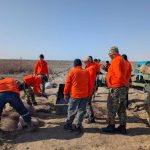
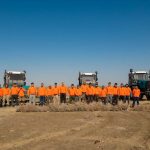
Greening of the dried Aral Sea Project in Kazakhstan focuses on the reclamation and restoration of the dried banks of the Aral Sea in the Kyzylorda Region through planting saxaul vegetation and creating new saxaul ecosystems. These ecosystems will help stabilise the soil, improve air quality, and mitigate the impacts of sand-salt storms. Saxual is a hardy, salt-tolerant tree species well suited to the harsh conditions of the dried banks of the Aral Sea. The project will also incorporate improved grazing techniques.
Main Goals:
– Large Scale afforestation of 100,000 hectares.
– Carbon sequestration.
– Stabilise the soil, improve air quality and mitigate the impacts of sand-salt storms.
02 — Geography & Territory
03 — Standards & Methodology
Sustainable Development Goals
SDG 1 — No Poverty
Greening of the dried Aral Sea Project in Kazakhstan focuses on the reclamation and restoration of the dried banks of the Aral Sea in the Kyzylorda Region through planting saxaul vegetation and creating new saxaul ecosystems. These ecosystems will help stabilise the soil, improve air quality, and mitigate the impacts of sand-salt storms. Saxual is a hardy, salt-tolerant tree species well suited to the harsh conditions of the dried banks of the Aral Sea. The project will also incorporate improved grazing techniques.
SDG 2 — Zero Hunger
By stabilising soils, improving land productivity and reducing adverse dust/salt exposure, the project supports food security and sustainable agriculture in the region.
SDG 4 — Quality Education
The project includes capacity-building of local partners, training of communities in ecosystem management, nursery operations and sustainable land rehabilitation practices.
SDG 8 — Decent Work
Afforestation on the dried seabed creates new employment in nursery development, tree planting and ecosystem management. It transitions degraded land into productive restoration uses.
SDG 13 — Climate Action
The project is explicitly designed as a nature-based solution for carbon sequestration and desertification mitigation.
SDG 15 — Life on Land
The core of the project is restoration of terrestrial ecosystems, afforestation of the dried Aral Sea bed, stabilising soils, improving biodiversity and reducing land degradation.
Impact and Sustainability
Social Impact
– Public Health Improvement: The saxaul green belt acts as a mechanical barrier against salt and sand storms. By stabilizing the seabed and reducing dust transport, the project directly lowers regional rates of respiratory illnesses like asthma and tuberculosis.
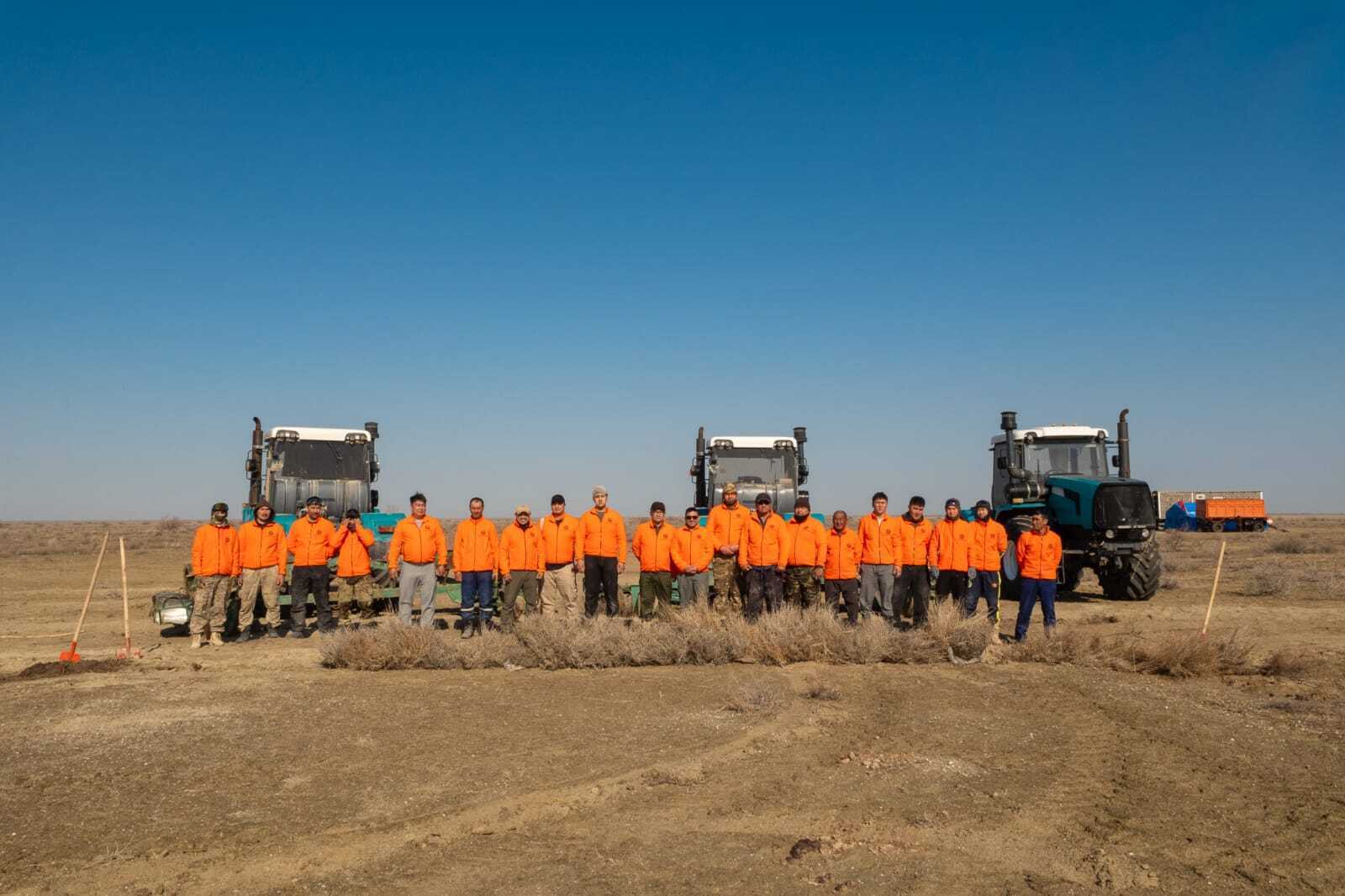
– Job Creation: The project provides immediate local employment, forecasting 35–45 jobs during Phase I and scaling up to 400 positions during peak planting and seed collection seasons. Roles range from nursery management and field labor to tech positions in drone monitoring.
– Community Empowerment: The initiative strengthens local land stewardship by training regional agronomists in international eco-monitoring standards. By prioritizing residents of Aralsk and nearby villages and enforcing gender equality.
Environmental Impact
-Dust & Salt Suppression: Stabilizes the toxic seabed to prevent “White Hurricanes”.
-Soil Fixation: Each planted Saxaul tree anchors up to 4 tons of sand with its root system, preventing desert expansion.
-CO2 Sequestration: Converts a barren wasteland into a massive carbon sink, capturing tons of CO2 over the project’s lifetime.
-Microclimate Cooling: Reduces ground temperatures and increases local humidity, mitigating the extreme heat and cold caused by the sea’s disappearance.
-Biodiversity Restoration: Creates a “dry forest” habitat that supports the return of native species.
-Soil Improvement: Gradually lowers soil salinity and improves water infiltration, allowing other desert flora to grow under the protection of the Saxaul canopy.
Additionality
-Lack of Alternative Funding: Large-scale afforestation in a saline desert is not a commercially viable activity. There are no natural revenue streams (like timber or food crops) because the Saxaul tree is planted for ecological stabilization, not for harvest.
-Critical Subsidy: Carbon credit revenue provides the essential capital required to cover high upfront costs for nurseries, specialized planting activities, and long-term monitoring in an extremely remote and hostile environment.